









Submicron Calcium Carbonate Shine Carb 94 Clay Barytes Calcium Carbonate SOP Silica / Quartz Dolomite
About Our Products Blog Contact Us Get Quote
ABOUT US

K.s.microfillers and Chemicals is a leading manufacturer and supplier of premium quality industrial minerals and chemical products. Since 2013, we have been delivering reliable and high-performance solutions for various industries including paint, plastic, rubber, ceramics, construction and chemicals.

With years of industrial expertise, advanced manufacturing processes, and strict quality assurance standards, we provide products that meet the highest industry requirements. Our commitment to trusted manufacturing, customer satisfaction, and timely delivery makes us a preferred choice in the market.

🏭

Est. 2013

Over a decade of expertise in mineral processing and chemical supply across India

⚗️

Lab Tested

Every batch quality-tested for purity, particle size and chemical composition

🚚

Pan-India

Reliable logistics with timely delivery to all major industrial zones across India

Premium Mineral
Fillers & Chemicals

Sourced from the finest mineral deposits and processed under stringent quality control for industrial, pharmaceutical, and commercial applications.

Barytes

Barytes

High-purity Barium Sulfate (BaSO₄) used in paints, coatings, rubber and drilling fluids. Available in multiple mesh sizes.

Learn More
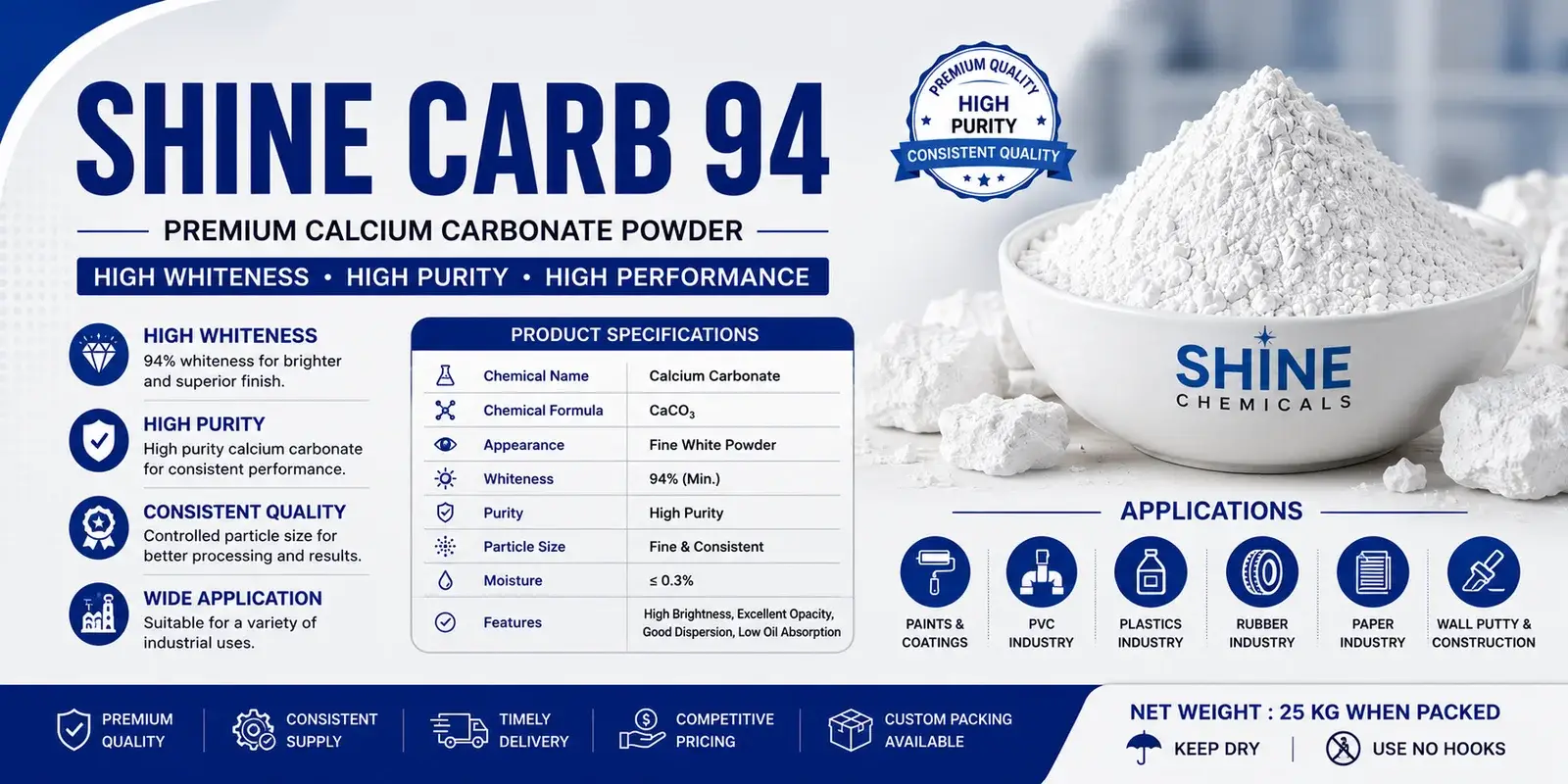
Shine Carb 94

Shine Carb 94

94% brightness Ground Calcium Carbonate. Ideal for paper, paints, PVC and plastics requiring high whiteness and purity.

Learn More
Calcium Carbonate SOP

Calcium Carbonate SOP

Standard of Purity Calcium Carbonate for pharmaceutical, food-grade and agricultural applications. High-purity certified.

Learn More
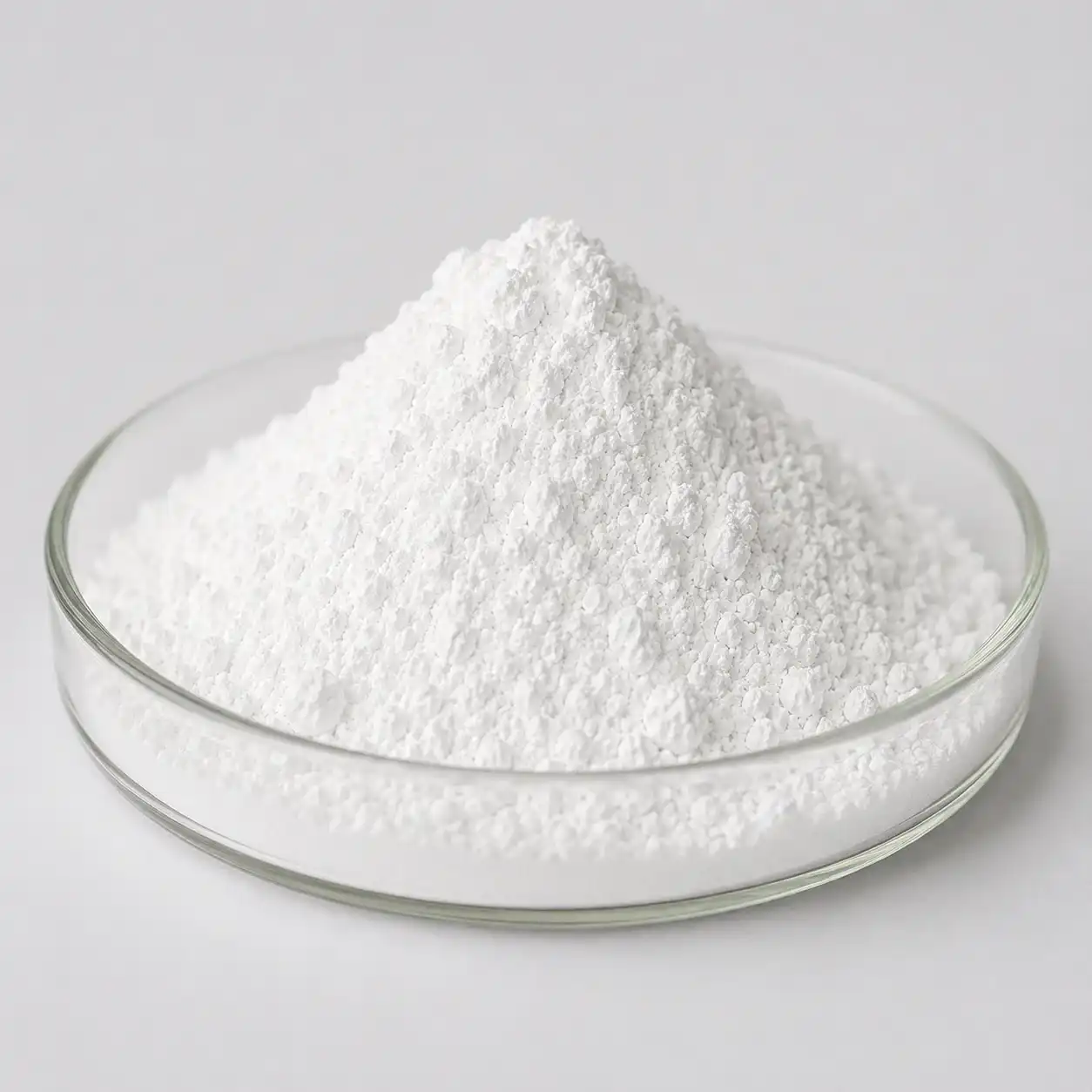
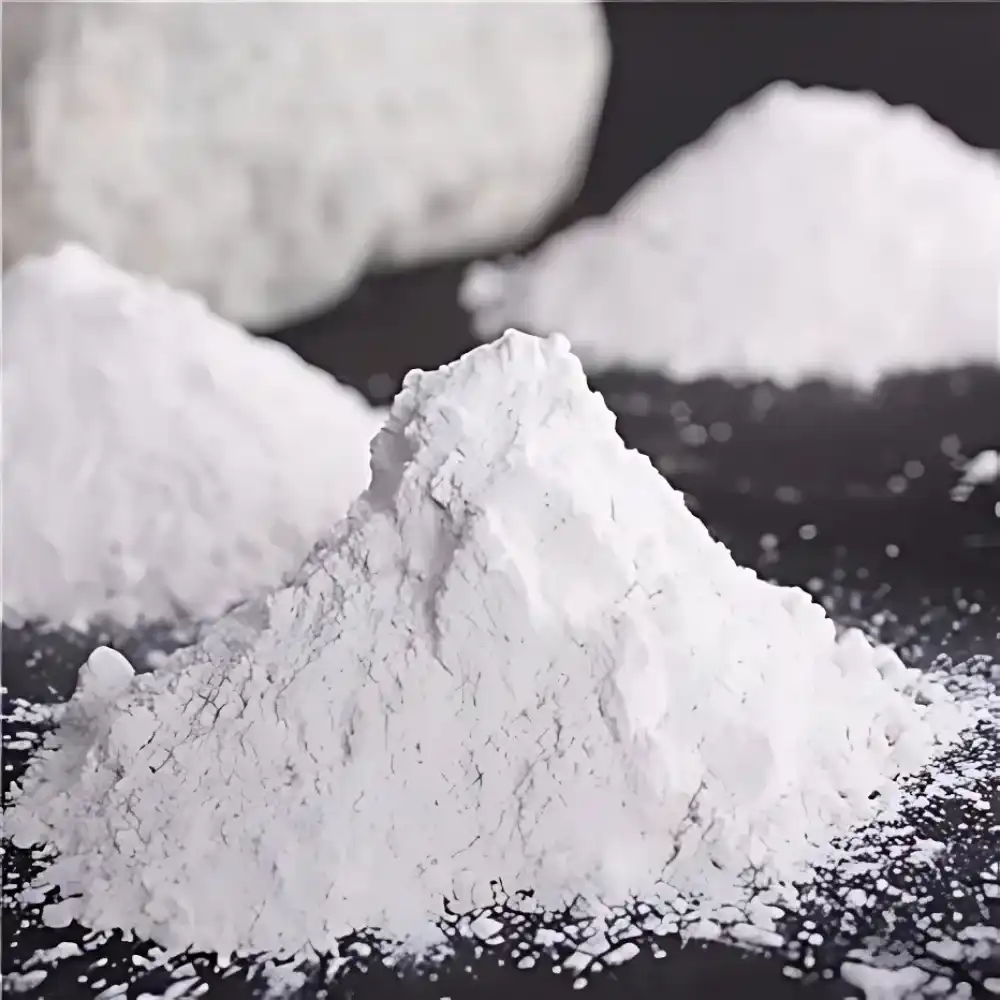
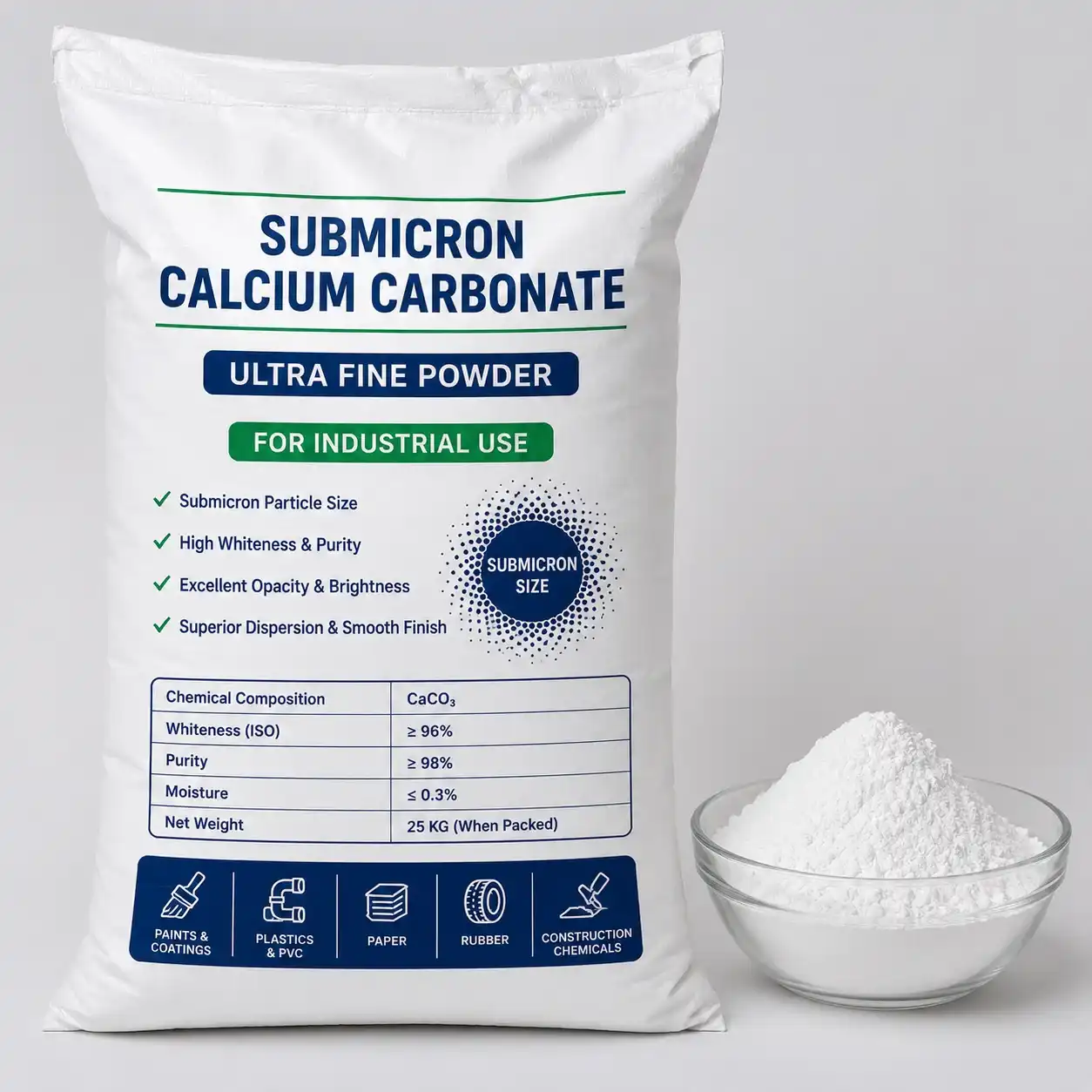
Submicron Calcium Carbonate

Submicron Calcium Carbonate

Ultra-fine CaCO₃ with D50 <1μm for advanced polymer, adhesive, sealant and specialty coating applications.

Learn More
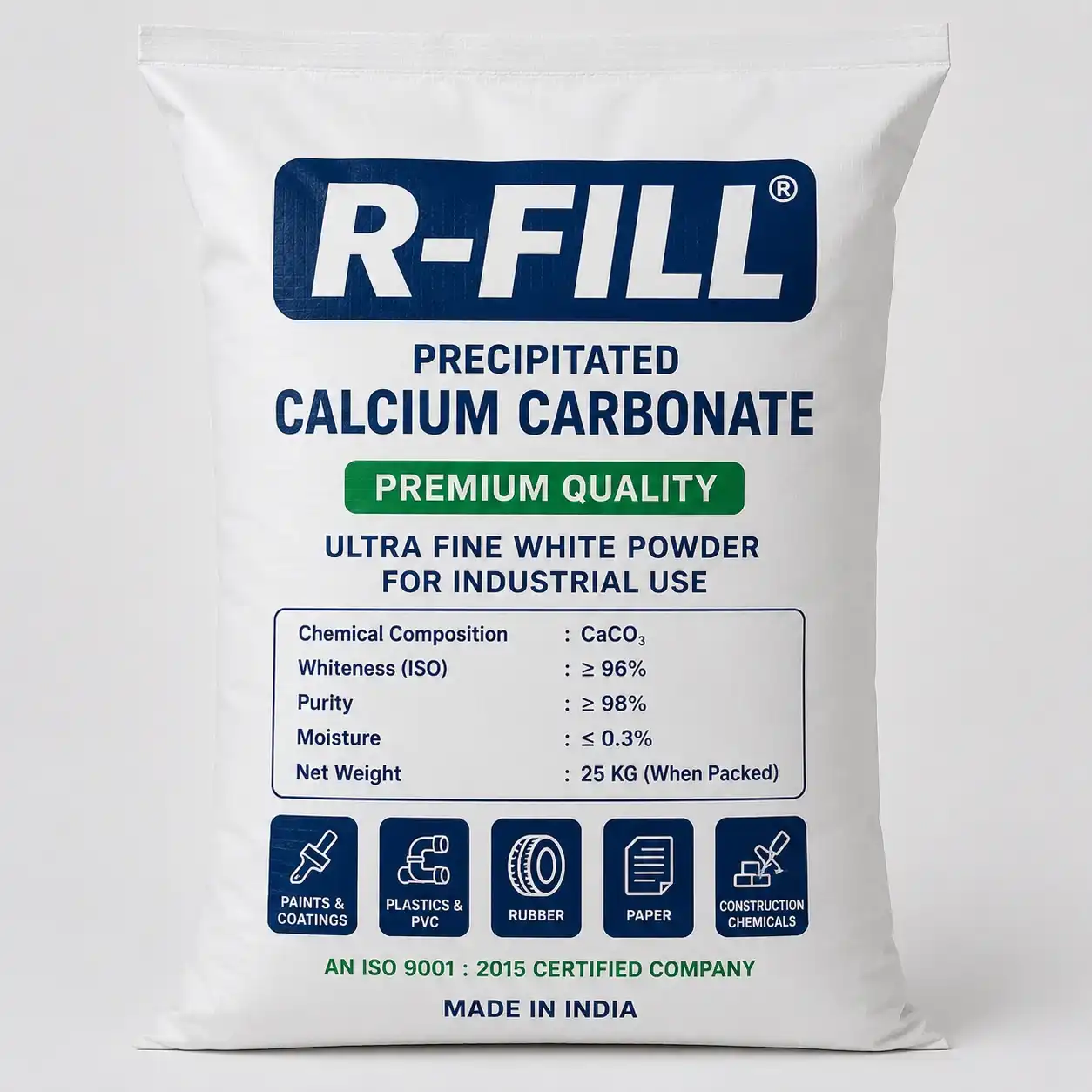
R-Fill

R-Fill

Functional mineral filler engineered for plastics, rubber and resin systems. Enhances stiffness, opacity and processing.

Learn More
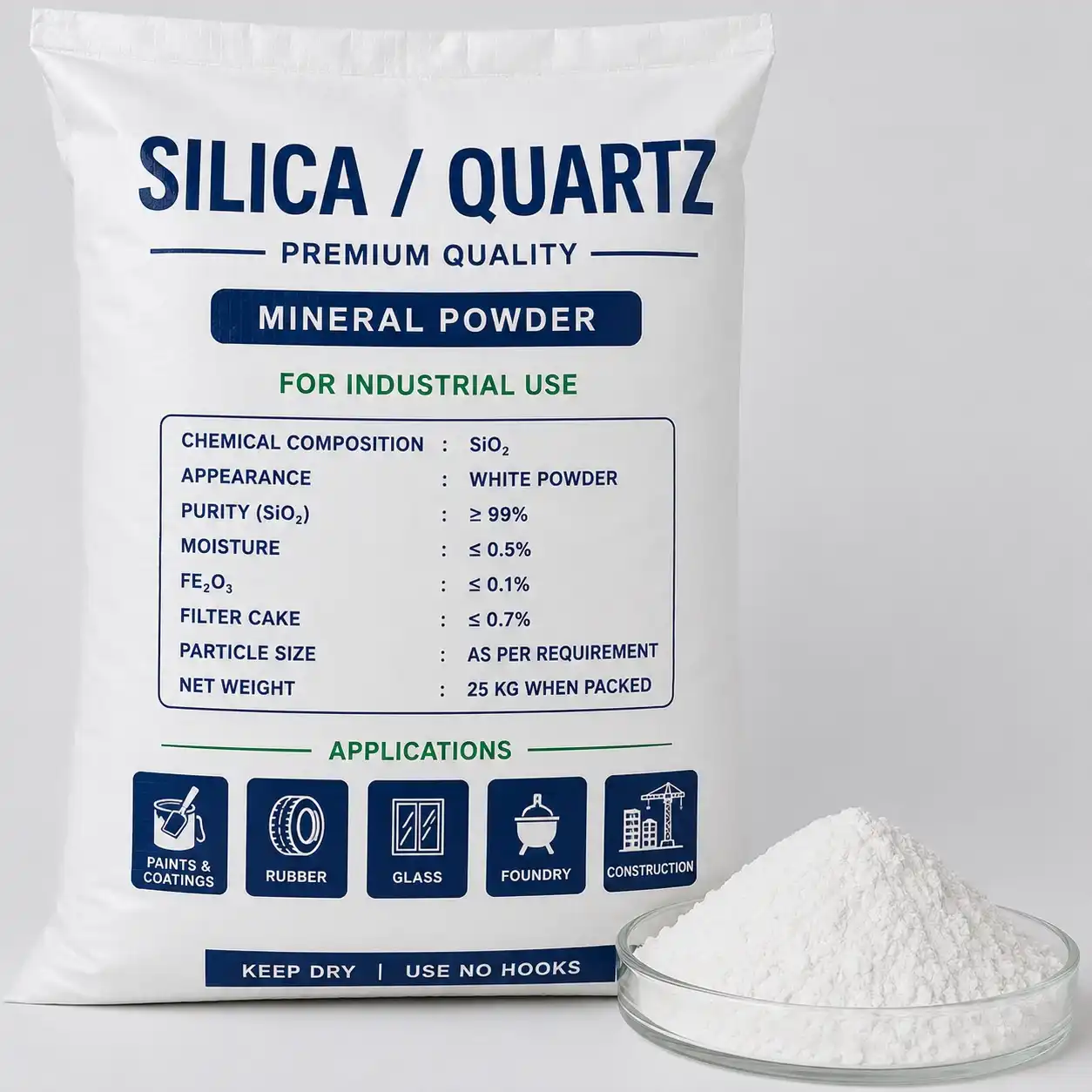
Silica / Quartz

Silica / Quartz

High-purity Silicon Dioxide in various mesh sizes. Used in glass, ceramics, construction, and chemical industries.

Learn More
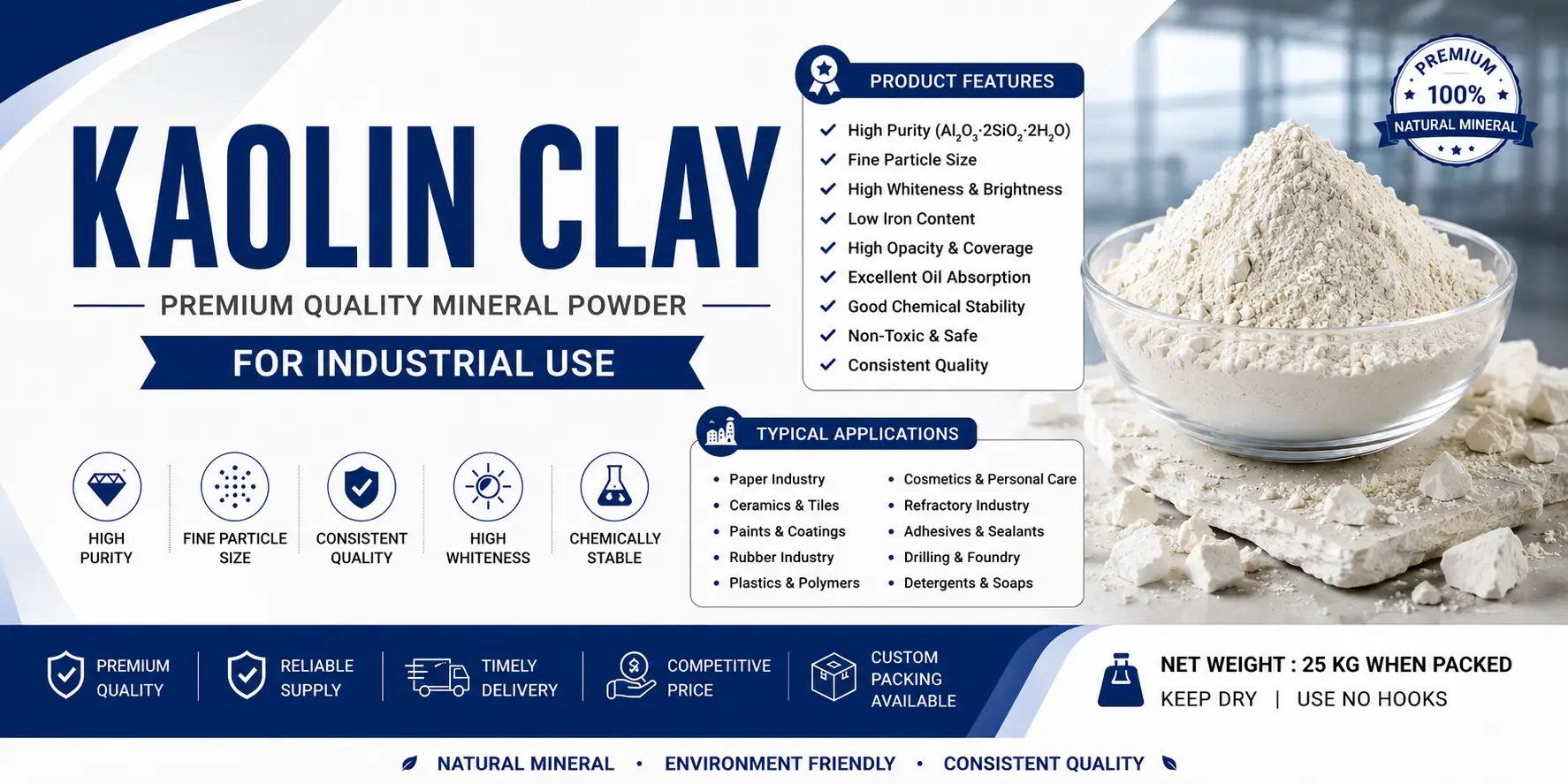
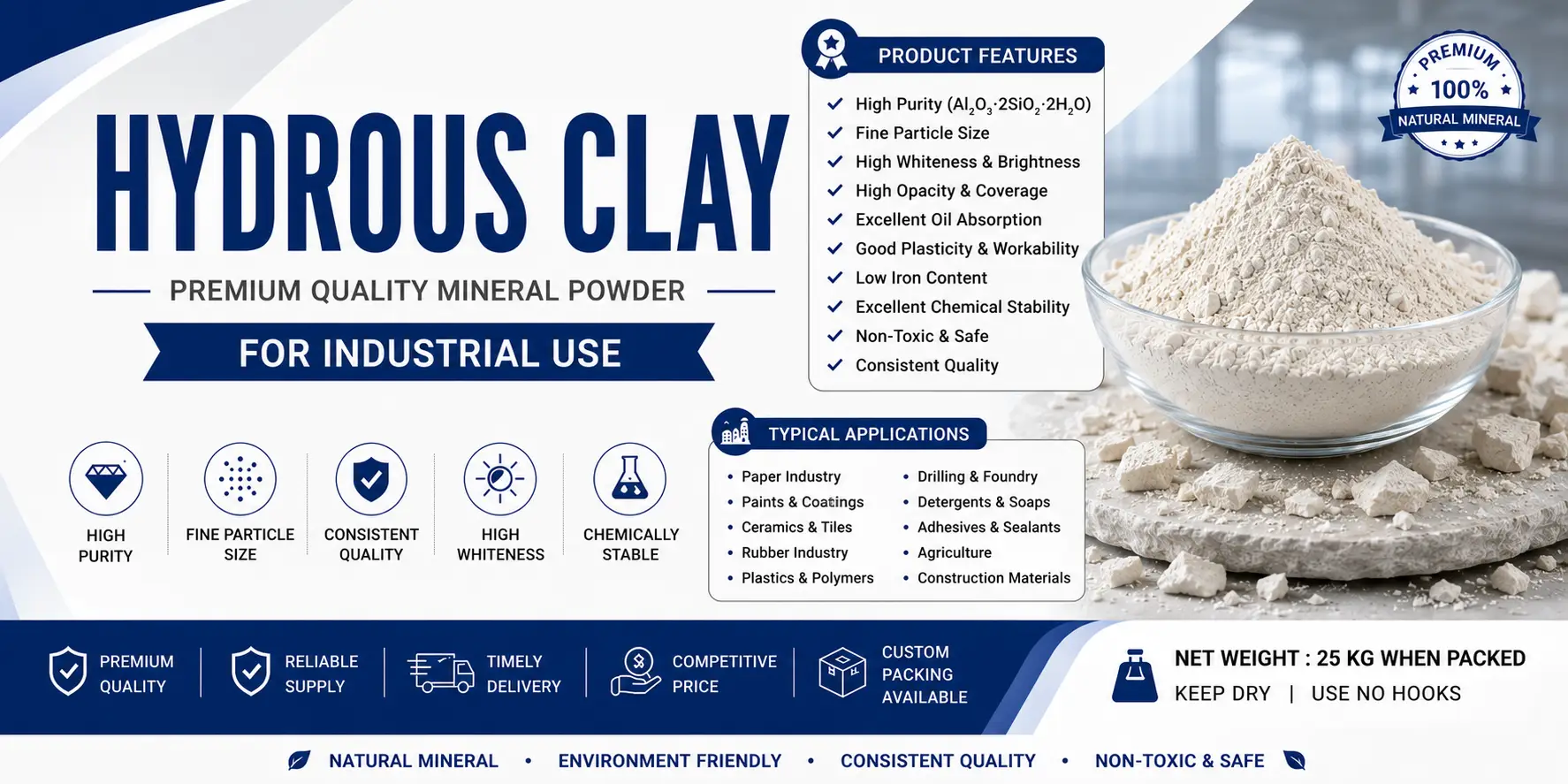
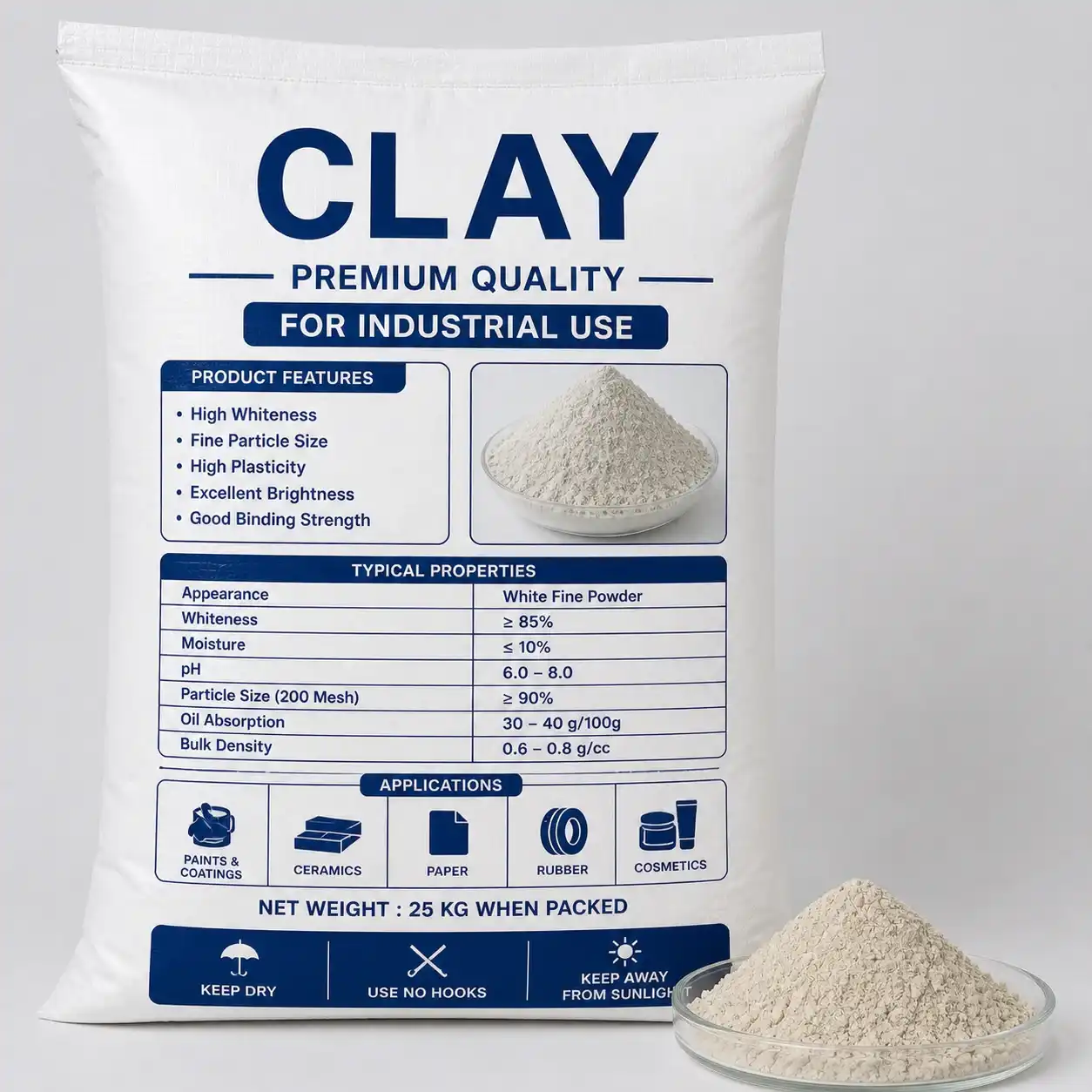
Clay

Clay

Beneficiated kaolin clay with controlled particle size and brightness. Suitable for paper coating, ceramics and rubber.

Learn More
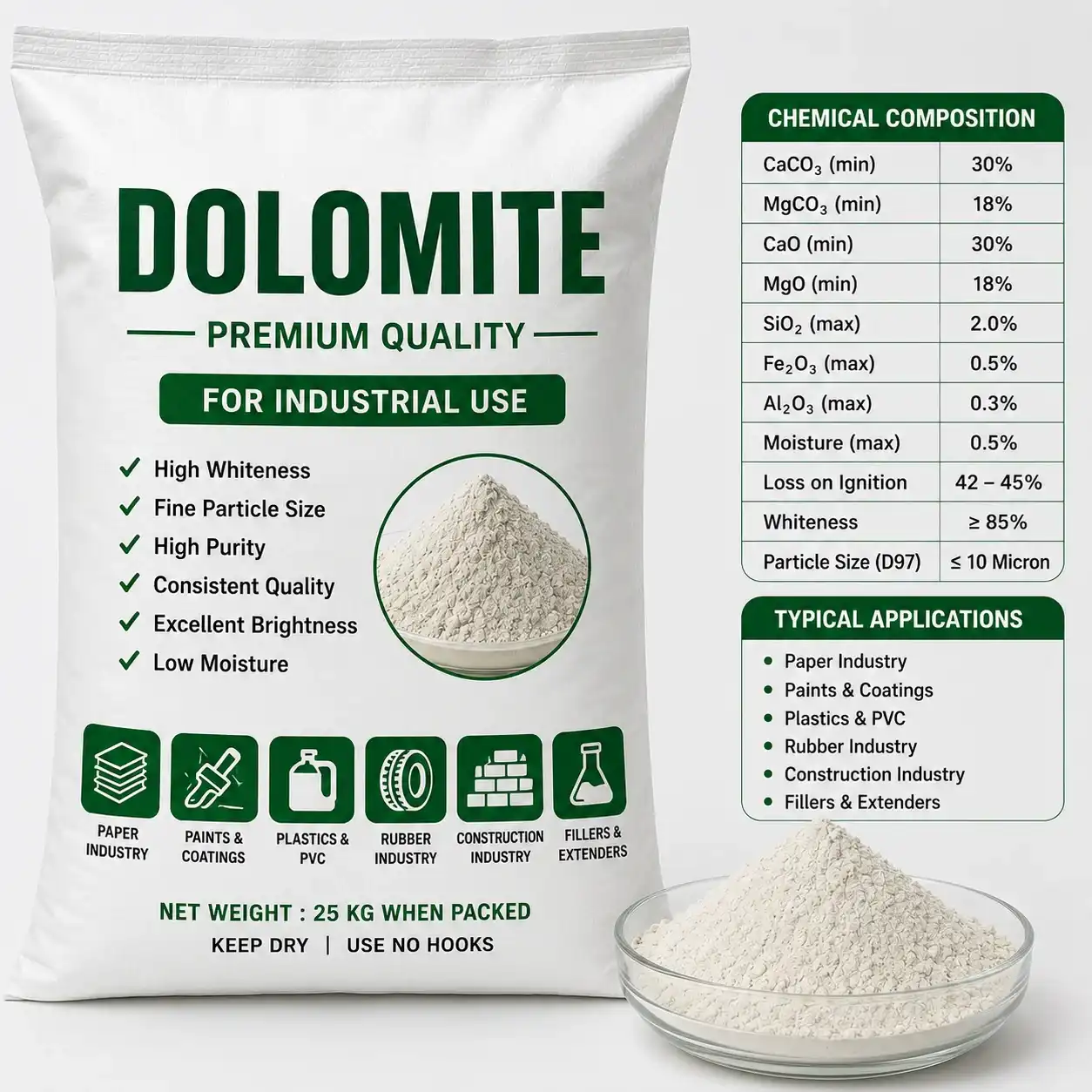
Dolomite

Dolomite

Processed dolomite CaMg(CO₃)₂ with consistent purity for steel, glass, agriculture and construction applications.

Learn More
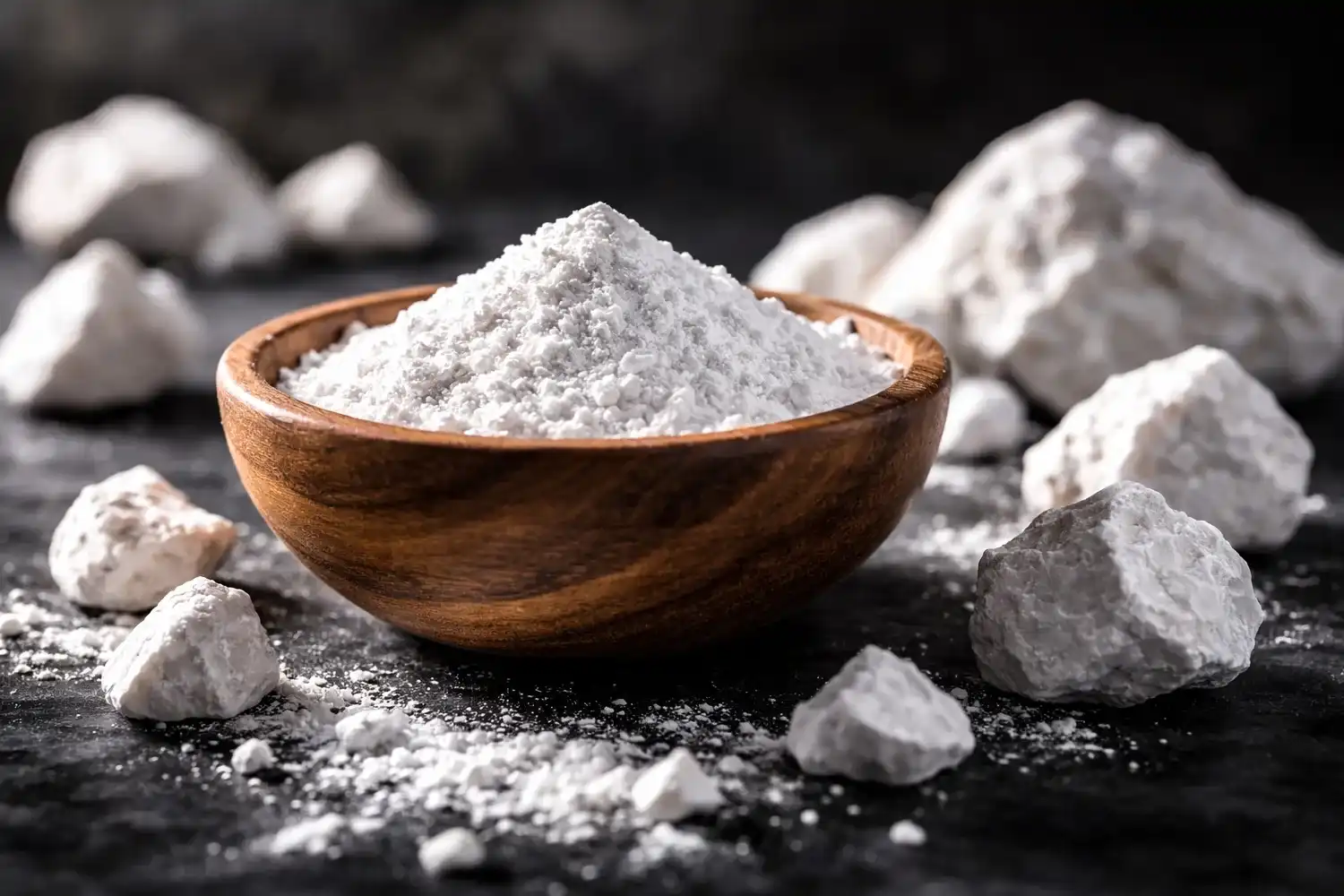
 Calcium Carbonate

Calcium Carbonate

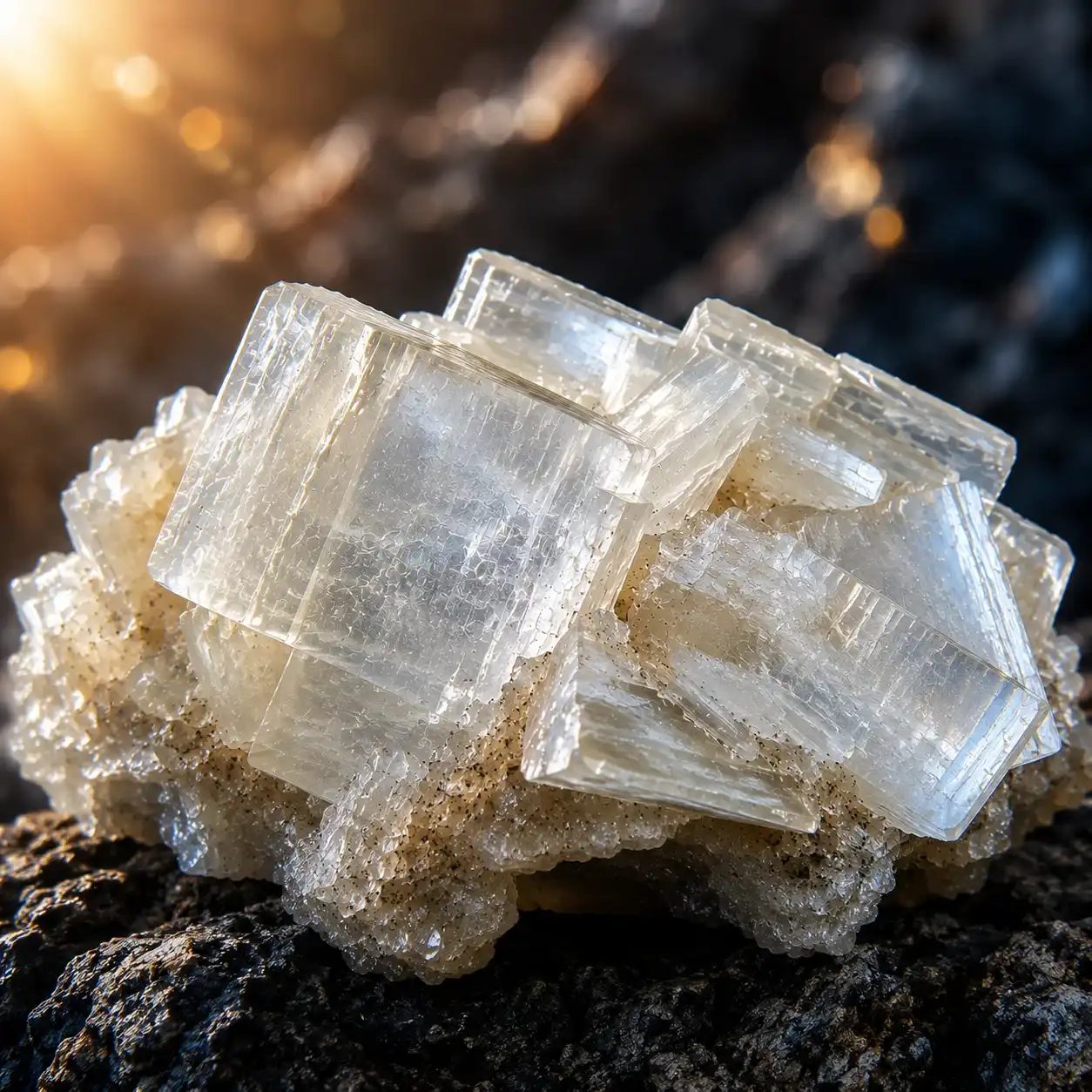
Calcium Carbonate (CaCO₃) is a naturally occurring mineral commonly found in rocks as calcite and limestone.

Learn More
Soapstone / Talc

Soapstone / Talc

Talc is the world's softest mineral and a naturally occurring Magnesium Silicate Mineral with the chemical formula Mg₃Si₄O₁₀(OH)₂.

Learn More
K.S. Microfillers Quality

Quality You Can
Count On

Rigorous Quality Testing

Every batch undergoes comprehensive in-house lab testing for particle size, brightness, purity and chemical composition before dispatch.

Custom Packaging & Grades

Products available in custom mesh sizes, moisture levels, and packaging options (25kg bags, jumbo bags, bulk) to match your needs.

Dedicated Customer Support

Our technical team assists with product selection, application guidance, and after-sales support for a seamless partnership.

Consistent & Timely Supply

With robust inventory and pan-India logistics, we ensure on-time delivery even for large and recurring orders.

Industry Blog

How Submicron Calcium Carbonate is Revolutionizing Polymer Manufacturing

How Submicron Calcium Carbonate is Revolutionizing Polymer Manufacturing

There is something quietly unsettling about watching a machine paint. Not because it paints badly — quite the opposite. The brushstrokes are confident, the color theory impeccable, the composition balanced in ways that feel almost too perfect. What unsettles is the absence of struggle.

For centuries, we have told a story about creativity: that it emerges from suffering, from obsession, from the peculiar alchemy of a human life pressed against the resistance of a medium. What happens to that story when the medium no longer resists?

The Machine That Learned to Dream

Modern generative AI systems are trained on vast archives of human work — billions of images, texts, and musical compositions — and from this immersion they learn to produce outputs that bear an uncanny resemblance to human creation. They do not dream, of course. They do not feel the 3am panic of the blank canvas. They simply pattern-match at a scale no human can approach, and in doing so, they produce work that many cannot distinguish from the human-made.

"The question is not whether machines can be creative. The question is whether creativity was ever about being human in the first place."

— Dr. Priya Nair, Cognitive Scientist at MIT Media Lab

This is the provocation that keeps philosophers of mind awake at night, and it deserves more than a dismissive answer. For if creativity is merely the novel recombination of existing elements — an argument with serious philosophical pedigree — then machines may be creative indeed.

What Gets Lost in Translation

And yet something feels missing. Talk to any working artist and they will describe their work not as output but as conversation — with their materials, with their influences, with themselves. The sculptor Barbara Hepworth once described her relationship with stone as a kind of listening. The stone, she said, told her what it wanted to become.

💡

A 2025 survey of over 3,000 creative professionals found that 67% believed AI tools enhanced their process — but only 12% felt AI could replace the meaning they derived from their work.

No AI system listens in this way. It does not have a relationship with its materials because it has no materials — only data. And crucially, it has no stake in the outcome. When a painter fails, something is lost. When a generative model produces an unsatisfying image, it simply tries again. The stakes, for the machine, are zero.

This is perhaps the most profound difference: creativity, as humans have practiced it, is always a form of risk. We put something of ourselves into the work, and that something can be rejected, misunderstood, or simply ignored. The possibility of failure is what gives success its meaning.

A New Kind of Collaboration

But perhaps we are asking the wrong question. Perhaps the goal was never to protect human creativity from machines but to understand how the two might work together in ways that neither could achieve alone. Early evidence suggests this is already happening.

Musicians are using AI to generate harmonic structures they would never have imagined, then layering those structures with melody and meaning that only a human life can provide. Writers are using language models to break through blocks, to explore voices they find uncomfortable, to draft and discard with a freedom the blank page rarely affords. Architects are generating hundreds of structural options in minutes, then bringing their judgment — their understanding of light and human movement and the weight of a building in a landscape — to bear on the selection.

In each case, the human is not replaced. They are amplified. Their judgment, their taste, their particular way of seeing the world becomes the signal that gives the machine's noise its shape.

The Question We Keep Avoiding

Still, the economic and cultural questions are urgent. If a single designer with AI tools can produce in one hour what previously required a team of ten working for a week, what happens to those ten people? The optimistic answer — that new kinds of work will emerge, as they always have — is not wrong, but it is incomplete. Transitions are hard, and they fall unevenly on those with the least cushion.

And there is something worth preserving in the practice of creative work even when it is slow and inefficient. The novelist who spends three years writing a book is doing something more than producing a novel. They are becoming someone — someone who has attended carefully to language, to character, to the architecture of meaning. That becoming matters, even if the product could be replicated in seconds.

The quiet revolution, then, is not simply technological. It is philosophical. It asks us to decide what we think creativity is for — and to defend that answer in the face of machines that can imitate the product while knowing nothing of the process.
📅 May 30,2026 ⏱ 1 Months ago
Choosing the Right Mineral Filler Supplier: A Complete Buyer's Guide

Choosing the Right Mineral Filler Supplier: A Complete Buyer's Guide

There is something quietly unsettling about watching a machine paint. Not because it paints badly — quite the opposite. The brushstrokes are confident, the color theory impeccable, the composition balanced in ways that feel almost too perfect. What unsettles is the absence of struggle.

For centuries, we have told a story about creativity: that it emerges from suffering, from obsession, from the peculiar alchemy of a human life pressed against the resistance of a medium. What happens to that story when the medium no longer resists?

The Machine That Learned to Dream

Modern generative AI systems are trained on vast archives of human work — billions of images, texts, and musical compositions — and from this immersion they learn to produce outputs that bear an uncanny resemblance to human creation. They do not dream, of course. They do not feel the 3am panic of the blank canvas. They simply pattern-match at a scale no human can approach, and in doing so, they produce work that many cannot distinguish from the human-made.

"The question is not whether machines can be creative. The question is whether creativity was ever about being human in the first place."

— Dr. Priya Nair, Cognitive Scientist at MIT Media Lab

This is the provocation that keeps philosophers of mind awake at night, and it deserves more than a dismissive answer. For if creativity is merely the novel recombination of existing elements — an argument with serious philosophical pedigree — then machines may be creative indeed.

What Gets Lost in Translation

And yet something feels missing. Talk to any working artist and they will describe their work not as output but as conversation — with their materials, with their influences, with themselves. The sculptor Barbara Hepworth once described her relationship with stone as a kind of listening. The stone, she said, told her what it wanted to become.

💡

A 2025 survey of over 3,000 creative professionals found that 67% believed AI tools enhanced their process — but only 12% felt AI could replace the meaning they derived from their work.

No AI system listens in this way. It does not have a relationship with its materials because it has no materials — only data. And crucially, it has no stake in the outcome. When a painter fails, something is lost. When a generative model produces an unsatisfying image, it simply tries again. The stakes, for the machine, are zero.

This is perhaps the most profound difference: creativity, as humans have practiced it, is always a form of risk. We put something of ourselves into the work, and that something can be rejected, misunderstood, or simply ignored. The possibility of failure is what gives success its meaning.

A New Kind of Collaboration

But perhaps we are asking the wrong question. Perhaps the goal was never to protect human creativity from machines but to understand how the two might work together in ways that neither could achieve alone. Early evidence suggests this is already happening.

Musicians are using AI to generate harmonic structures they would never have imagined, then layering those structures with melody and meaning that only a human life can provide. Writers are using language models to break through blocks, to explore voices they find uncomfortable, to draft and discard with a freedom the blank page rarely affords. Architects are generating hundreds of structural options in minutes, then bringing their judgment — their understanding of light and human movement and the weight of a building in a landscape — to bear on the selection.

In each case, the human is not replaced. They are amplified. Their judgment, their taste, their particular way of seeing the world becomes the signal that gives the machine's noise its shape.

The Question We Keep Avoiding

Still, the economic and cultural questions are urgent. If a single designer with AI tools can produce in one hour what previously required a team of ten working for a week, what happens to those ten people? The optimistic answer — that new kinds of work will emerge, as they always have — is not wrong, but it is incomplete. Transitions are hard, and they fall unevenly on those with the least cushion.

And there is something worth preserving in the practice of creative work even when it is slow and inefficient. The novelist who spends three years writing a book is doing something more than producing a novel. They are becoming someone — someone who has attended carefully to language, to character, to the architecture of meaning. That becoming matters, even if the product could be replicated in seconds.

The quiet revolution, then, is not simply technological. It is philosophical. It asks us to decide what we think creativity is for — and to defend that answer in the face of machines that can imitate the product while knowing nothing of the process.

📅 May 30,2026 ⏱ 1 Months ago
Why Particle Size Distribution Matters in Industrial Mineral Fillers

Why Particle Size Distribution Matters in Industrial Mineral Fillers

There is something quietly unsettling about watching a machine paint. Not because it paints badly — quite the opposite. The brushstrokes are confident, the color theory impeccable, the composition balanced in ways that feel almost too perfect. What unsettles is the absence of struggle.

For centuries, we have told a story about creativity: that it emerges from suffering, from obsession, from the peculiar alchemy of a human life pressed against the resistance of a medium. What happens to that story when the medium no longer resists?

The Machine That Learned to Dream

Modern generative AI systems are trained on vast archives of human work — billions of images, texts, and musical compositions — and from this immersion they learn to produce outputs that bear an uncanny resemblance to human creation. They do not dream, of course. They do not feel the 3am panic of the blank canvas. They simply pattern-match at a scale no human can approach, and in doing so, they produce work that many cannot distinguish from the human-made.

"The question is not whether machines can be creative. The question is whether creativity was ever about being human in the first place."

— Dr. Priya Nair, Cognitive Scientist at MIT Media Lab

This is the provocation that keeps philosophers of mind awake at night, and it deserves more than a dismissive answer. For if creativity is merely the novel recombination of existing elements — an argument with serious philosophical pedigree — then machines may be creative indeed.

What Gets Lost in Translation

And yet something feels missing. Talk to any working artist and they will describe their work not as output but as conversation — with their materials, with their influences, with themselves. The sculptor Barbara Hepworth once described her relationship with stone as a kind of listening. The stone, she said, told her what it wanted to become.

💡

A 2025 survey of over 3,000 creative professionals found that 67% believed AI tools enhanced their process — but only 12% felt AI could replace the meaning they derived from their work.

No AI system listens in this way. It does not have a relationship with its materials because it has no materials — only data. And crucially, it has no stake in the outcome. When a painter fails, something is lost. When a generative model produces an unsatisfying image, it simply tries again. The stakes, for the machine, are zero.

This is perhaps the most profound difference: creativity, as humans have practiced it, is always a form of risk. We put something of ourselves into the work, and that something can be rejected, misunderstood, or simply ignored. The possibility of failure is what gives success its meaning.

A New Kind of Collaboration

But perhaps we are asking the wrong question. Perhaps the goal was never to protect human creativity from machines but to understand how the two might work together in ways that neither could achieve alone. Early evidence suggests this is already happening.

Musicians are using AI to generate harmonic structures they would never have imagined, then layering those structures with melody and meaning that only a human life can provide. Writers are using language models to break through blocks, to explore voices they find uncomfortable, to draft and discard with a freedom the blank page rarely affords. Architects are generating hundreds of structural options in minutes, then bringing their judgment — their understanding of light and human movement and the weight of a building in a landscape — to bear on the selection.

In each case, the human is not replaced. They are amplified. Their judgment, their taste, their particular way of seeing the world becomes the signal that gives the machine's noise its shape.

The Question We Keep Avoiding

Still, the economic and cultural questions are urgent. If a single designer with AI tools can produce in one hour what previously required a team of ten working for a week, what happens to those ten people? The optimistic answer — that new kinds of work will emerge, as they always have — is not wrong, but it is incomplete. Transitions are hard, and they fall unevenly on those with the least cushion.

And there is something worth preserving in the practice of creative work even when it is slow and inefficient. The novelist who spends three years writing a book is doing something more than producing a novel. They are becoming someone — someone who has attended carefully to language, to character, to the architecture of meaning. That becoming matters, even if the product could be replicated in seconds.

The quiet revolution, then, is not simply technological. It is philosophical. It asks us to decide what we think creativity is for — and to defend that answer in the face of machines that can imitate the product while knowing nothing of the process.

📅 May 31,2026 ⏱ 1 Months ago

What Our Clients Say

Trusted by manufacturers, processors and distributors across India since 2013.

★★★★★

"K.S. Microfillers has been our go-to supplier for Calcium Carbonate for over 6 years. Their consistency in quality and on-time delivery has never let us down. Highly recommended for any paint manufacturer."

Ramesh Kumar
Ramesh Kumar Production Manager, Rajasthan
★★★★★

"We source Barytes and Silica from KS Microfillers for our drilling operations. The purity is consistently above 95% and the technical team is very knowledgeable about application requirements."

Mohan Sharma
Mohan Sharma Procurement Head, GeoCore Industries
★★★★★

"The Shine Carb 94 grade we receive meets all our brightness specifications for paper coating. Their documentation and lab reports are thorough and delivery timelines are always met."

Anita Patel
Anita Patel Surat Paper Mills Ltd, Quality Head

Let's Work
Together

Get in touch for quotes, samples or technical guidance

📞
Phone / WhatsApp 7568643131  |  90571 55551
🏢
Company K.S. Microfillers & Chemicals
📅
Established 2013 — Over 12 Years of Excellence
🕐
Business Hours Mon – Sat: 9:00 AM – 6:00 PM